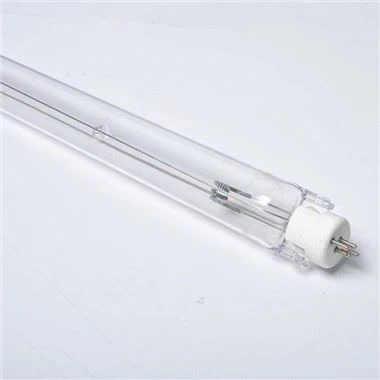
Improper use of UV ozone lamps may cause burns
Sep 14, 2021
Doctors said that electrooptic ophthalmia caused by ultraviolet radiation is a common emergency eye disease in ophthalmology, and it mostly occurs in places where ultraviolet radiation is generated such as electric welding operations.
Recently, the Department of Ophthalmology of the First People's Hospital of Huizhou City found that cases of electro-optic ophthalmia increased significantly compared with previous years, and some even came from the same unit, with sudden pain, photophobia, and tearing in both eyes. One of the cases was caused by a worker who opened it by mistake while working in the workshop and worked for several hours under ultraviolet light.
Corneal damage
When using ultraviolet lamps, you should read the instructions for use of the ultraviolet lamp in detail, and leave the disinfected area to avoid ultraviolet rays to burn your eyes and skin. It is best to open windows for ventilation after using some ozone-type disinfection lamps to prevent ozone from irritating the respiratory tract.
After exposure to ultraviolet rays during the day, patients with electrooptic ophthalmitis often develop symptoms at night and have a rapid onset. According to their clinical manifestations, they are divided into two types: mild and severe.
Foreign body sensation in both eyes, mild pain, photophobia, tearing, eyes open, bulbar conjunctiva hyperemia, corneal fluorescence staining is scattered in dots.
The skin of both eyelids is flushed, blepharospasm, difficulty in opening eyes, significant eye pain, photophobia, tearing, blurred vision, large stains of corneal fluorescent staining, spasmodic shrinkage of pupils, slow reflection of light.
Mild electroophthalmia usually heals itself after a certain period of time. The purpose of treatment is to solve the patient's pain at the time and prevent secondary infections. The general processing methods are as follows:
For patients with unbearable pain, local topical anesthetic can be used to infuse the eyes 1-2 times, and then ice packs can be given appropriate cold compresses to quickly relieve the pain of the patients;
Use cell growth factor eye drops 4-6 times a day to promote corneal epithelial repair;
Use antibiotic eye drops locally, 4 times a day.